How brand DNA is changing the way marketing leaders innovate


Chief Marketing Officers (CMOs) are rethinking how they approach innovation. By using their brand’s DNA as a guiding compass, they can transform innovation from a side project into a continuous source of relevance and renewal. A new whitepaper from Capgemini Invent and frog, co-created with CMOtalk, explores this major shift the marketing landscape.
Many marketing leaders currently find themselves in a difficult position. “In the world of digital applications and AI, progress continues at a reasonable pace. But in the realm of physical products and services, innovation at times seems to stall,” said Tim van der Galiën, director at frog, a subsidiary of Capgemini Invent.
Companies often prioritize short-term profits over long-term growth, causing brand loyalty to decline and making it harder for brands to compete.
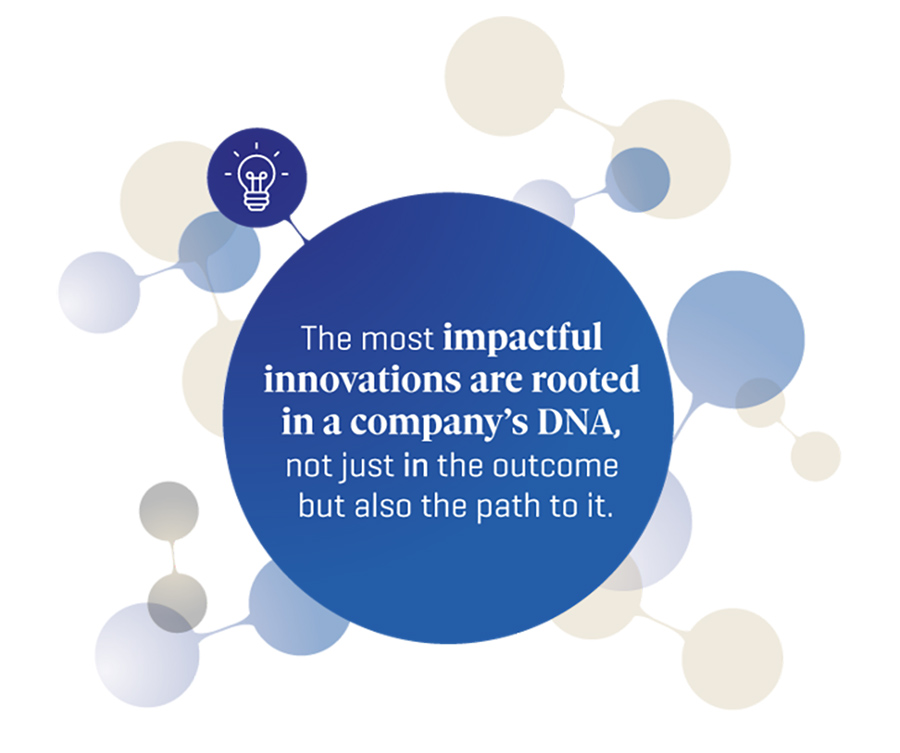
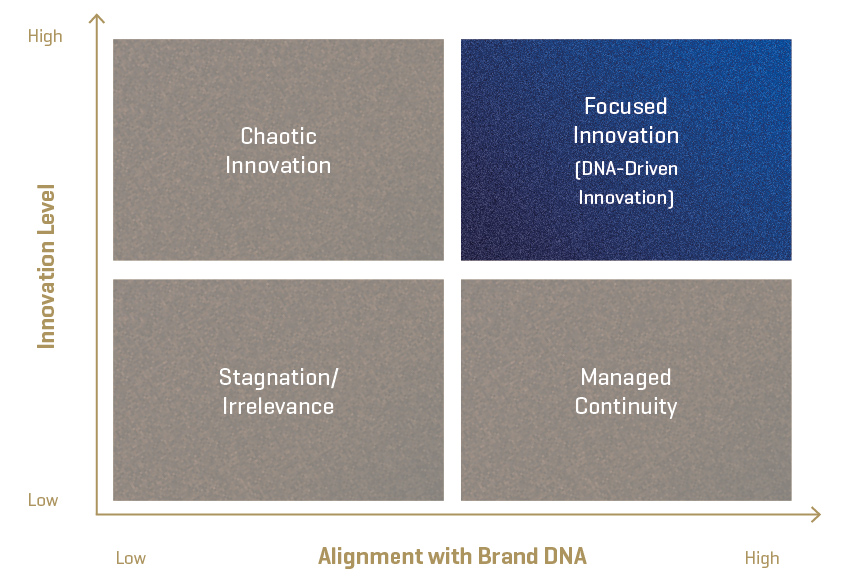
The whitepaper suggests that the secret to success lies in ‘DNA-Driven Innovation’. This approach argues that the most effective new ideas are not random experiments but are instead rooted in the core values, purpose, and history of the brand. Research indicates that product innovations launched under well-defined brands achieve 24% higher sales than those without such a foundation.
Realizing DNA-Driven Innovation requires companies to connect their roots not just to what they produce or serve, but also how they come to innovation. Through this approach, innovation becomes an expression of the brand’s essence, built with focus and guided by brand DNA. This shift translates into three fundamental changes in how marketing innovates:
1) From linear pipelines to always-on innovation
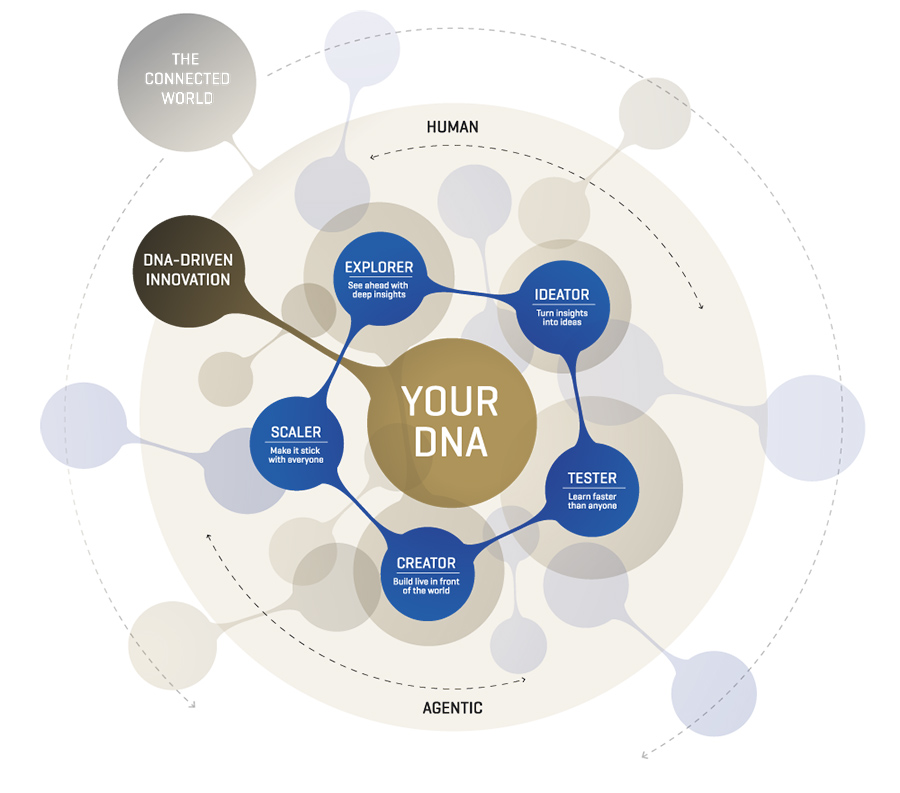
The DNA‑Driven Innovation model treats brand DNA as the strategic anchor that directs and disciplines innovation choices across contexts. The whitepaper characterizes this approach as a break from linear innovation pipelines to so called ‘always-on innovation’ modes.
In Explorer mode, teams identify emerging market shifts and gather deep insights into customer behavior. Ideator mode translates these findings into clear opportunities that address specific human needs and solve practical problems.
Then comes Tester mode, which involves conducting rapid and affordable trails in both synthetic and real-world environments to see how consumers actually interact with a new concept. In Creator mode, the brand builds the innovation in front of the public and uses authentic storytelling to create a base of loyal followers. At last, Scaler mode focuses on expanding the reach of the product while maintaining the original brand identity and core values.
This continuous loop ensures that every innovation remains deeply rooted in the history and purpose of the organization for long-term success.
2) From human-only teams to hybrid workforce
Technology is changing how marketing teams work, not by replacing people but by expanding their capacity. The democratization of intelligence through AI allows companies to test ideas faster and more efficiently. For example, some banks now use these tools to simulate many scenarios to improve fraud prevention or simplify mobile banking.
Despite the promises of new tools, leaders emphasize that technology should support rather than replace human intuition. The human touch remains essential for maintaining an emotional connection with the audience.
“The next wave of marketing innovation is steered by humans and augmented by AI. Yet there’s no single ‘right’ ratio,” said Van der Galiën. “The innovation DNA determines the blend. A brand might lean on AI to run thousands of simulations but based on its core DNA there is significant value in involving human judgement and taking it slow.”
As companies in many different sectors race to adopt AI into their core strategies, the role of the CMO is evolving. Marketing leaders are now leading the way in balancing automation and augmentation. The core challenge is not the deployment of AI itself but ensuring that brand DNA steers how human and technological capabilities are combined.
3) From competing in categories to world-building
The final shift described by Capgemini Invent moves marketing beyond fixed categories toward connected environments. Instead of just selling a single product, brands are increasingly looking at the entire life of the customer.
For example, home purchase involves more than a loan; it includes moving services, energy and utilities, and insurance. By connecting these different areas, brands can create more resilient and meaningful experiences.
The evolving role of marketing leaders
Because CMOs understand the customer better than anyone else in the organization, they are uniquely positioned to lead innovation. Van der Galiën: “Rather than focusing solely on technology, these leaders start with human empathy and insight. They ensure that every new service or experience reflects what the brand stands for while meeting real human needs.”
The paper brings this to life through the experiences of several CMOs. For example, one leading retailer expanded its business by treating its stores as a media platform while staying true to its promise of making quality food accessible. Another company has focused on creating unexpected experiences that align with its mission of promoting well-being and giving back to the planet.
“These organizations demonstrate that innovation does not have to be a disruptive overhaul. In fact, it is often just a series of small, consistent steps that build trust over time.”
“Innovation moves fast, but real impact comes from staying grounded. As a CMO, foster a culture that seizes opportunities quickly, while consistently checking whether new ideas align with the brand’s long-term strategy and DNA,” continued Van der Galiën.
“CMOs should embrace this exciting role. This is about investing in technologies and people that fit your DNA and making decisions with purpose. Make innovation a shared adventure for your company, your customers, and your partners.”