The one topic CEOs should consider during today’s spiralling energy crisis: Resilience
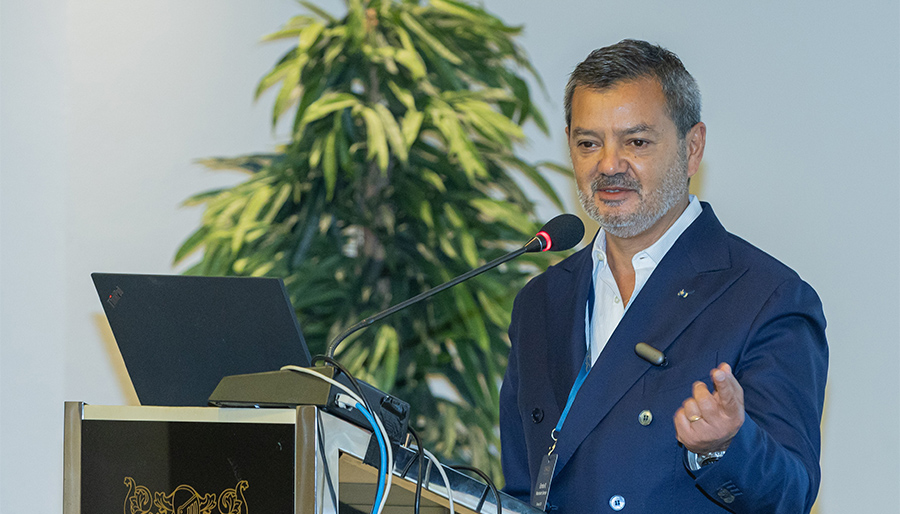
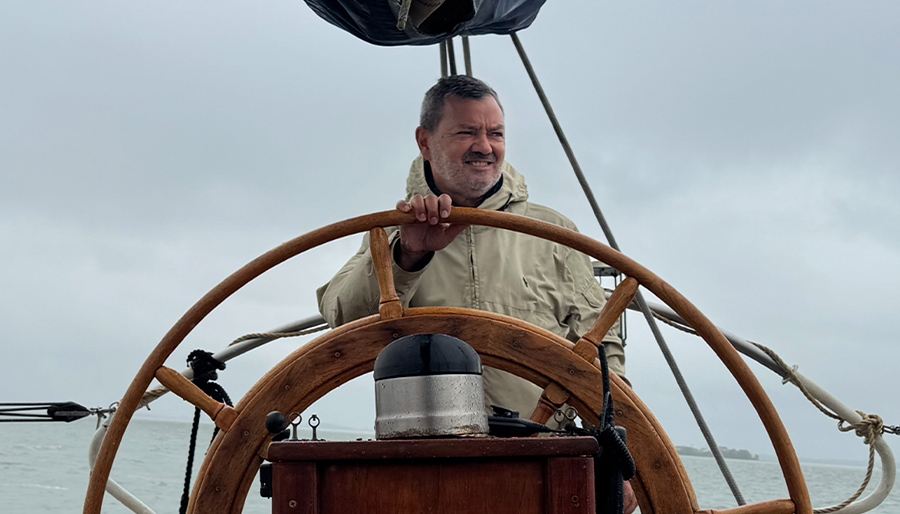
With the energy crisis already posing major challenges – and the risk of further escalation – alarm bells are ringing across industries. As uncertainty grows, resilience has quickly moved to the top of the boardroom agenda. “Leaders need to move fast and integrate resilience into both their strategy and day-to-day decision-making,” says Ennio Neumann Senese, CEO of OHROS Consulting Group.
With more than three decades of experience in the energy sector – both as an executive and consultant – Senese has witnessed several major crises. “But this one is different,” he says.
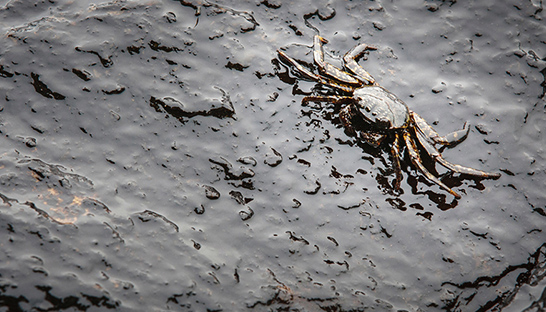
“The current energy and oil crisis linked to the Iran war is more severe than many previous crises because it directly threatens production, not just supply fears as in earlier shocks,” he explains. “And it is unfolding in an already highly politicised geopolitical environment, with global energy markets still fragile after earlier disruptions such as the ban on Russian oil and the growing pressure to stay on course for the energy transition.”
The outcome remains uncertain, but some analysts are already modelling worst-case scenarios: a prolonged conflict, lasting damage to energy infrastructure, and oil and gas prices climbing to new highs – and remaining there for an extended period.
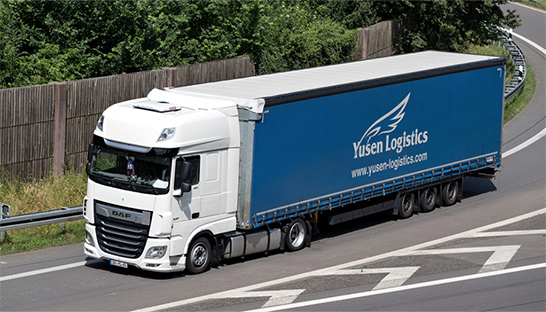
The consequences could ripple across the global economy. Oil powers major sectors such as transportation, aviation and shipping, while also serving as a key input for manufacturing and petrochemicals. Disruptions therefore extend far beyond the energy sector itself.
“No matter what organisation you lead, it is critical in the coming period to understand the potential impacts of these multifaceted developments and build resilience against them,” says Senese.
The need for resilience
But what exactly does resilience mean in a business context? “Resilience is the ability of an organisation to withstand, adapt to and recover from disruptions,” Senese explains. “But it goes beyond survival – it’s about continuing to grow and even thrive in a volatile environment.”
Research backs up the value of this capability. A study by McKinsey & Company found that resilient companies outperformed less resilient competitors by around 150% in total shareholder returns over the decade following the 2008 financial crisis, delivering roughly double the returns of the S&P 500 during that period.
Meanwhile, Boston Consulting Group has highlighted resilience as a key driver of sustained competitive advantage, especially during downturns and their aftermath. Companies lacking resilience face strategic, operational, financial and reputational risks – all of which can significantly damage long-term performance.
Executives are increasingly aware of this. “When the Covid-19 pandemic hit, many organisations were caught off guard,” Senese says. “This time, leaders want to be better prepared.”
As CEO of OHROS Consulting Group – an energy and utilities-focused consulting firm – he says demand for advice has surged. “The key question we’re hearing from clients is: how can we anticipate what’s coming, mitigate the risks and build resilience for whatever comes next?”
Anticipate, mitigate and build resilience
When OHROS Consulting Group works with organisations on resilience, the starting point is a comprehensive resilience assessment across the entire value chain. This includes scenario planning and value chain analysis.
“Scenario planning means preparing for multiple potential futures,” Senese explains. “Companies explore different possibilities – from energy shortages to geopolitical escalations – and develop response strategies for each scenario.”
A value chain analysis takes a more internal perspective. The goal is to examine how value is created across the organisation, from production to delivery.
“This helps identify critical processes and assets, and determine which parts of the value chain are most vulnerable,” he says. “It also involves mapping the supply chain in detail to identify weak points such as single-source suppliers or regions prone to disruption.”
History offers powerful lessons. After the 2011 earthquake and tsunami in Japan, global car manufacturers discovered that a single small factory producing a specialised semiconductor component had become a critical bottleneck for the entire industry. Companies that quickly diversified their supply chains and redesigned procurement strategies recovered faster – while others faced months of halted production.
“It’s a classic example of how a seemingly small vulnerability can trigger massive disruption,” Senese notes.
Following the assessment phase, organisations should focus on identifying key assets and processes that are essential for operations. “For those critical areas, leaders need to assess risks and vulnerabilities using data and analytics,” he says. “This helps them understand both the likelihood and the potential impact of different disruptions.”
The ultimate objective is preparedness. With the right insights, companies can develop contingency plans that include alternative suppliers, backup production capabilities and flexible logistics solutions.
“The future belongs to those who prepare for it today,” Senese concludes. “In a world defined by constant change – and increasingly by black swan events – resilience is not just a strategy. It is a vision for how companies can continue to thrive despite adversity.”
And those that succeed will do more than simply endure. “Resilient organisations don’t just survive crises,” he says. “They use them as opportunities to adapt, innovate and emerge stronger than before.”